
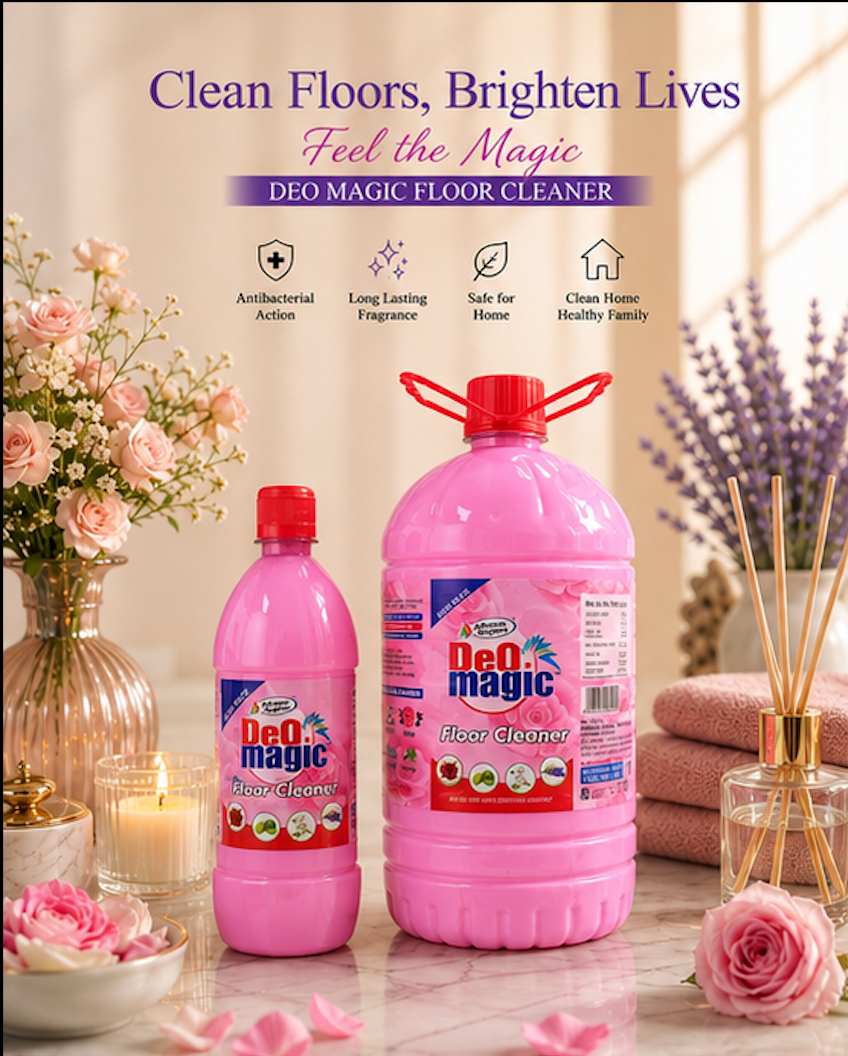
A clean home isn’t just about appearances—it’s about creating a healthier, safer, and more comfortable environment for you and your family.
In today’s fast-paced lifestyle, maintaining a spotless home may seem challenging. However, you don’t need to spend hours cleaning every day. Small, consistent habits can make a significant difference in reducing dust, germs, allergens, and unpleasant odors.
By following a few simple daily cleaning routines, you can prevent dirt from building up, extend the life of your furniture and appliances, and enjoy a fresh, hygienic living space every day.
In this guide, we’ll explore 10 daily cleaning habits that can help you maintain a healthier home with minimal effort.
Why Daily Cleaning Matters
Many harmful bacteria, viruses, dust mites, and allergens accumulate gradually over time. Regular cleaning prevents these contaminants from spreading and reduces the risk of illness.
Benefits of daily cleaning include:
- Improves indoor air quality
- Reduces germs and bacteria
- Prevents pest infestations
- Keeps unpleasant odors away
- Makes deep cleaning easier
- Creates a healthier environment for children and pets
- Reduces stress by maintaining an organized home
Daily cleaning doesn’t have to be overwhelming—it simply requires consistency.
1. Make Your Bed Every Morning
It may seem like a small task, but making your bed instantly makes your bedroom look cleaner and more organized.
A tidy bedroom also encourages better overall cleanliness because people are less likely to leave clutter in an already neat room.
Quick Tip:
Shake out pillows and straighten your bedding to keep dust from settling.
2. Wipe Kitchen Countertops After Every Meal
Kitchen countertops collect food crumbs, grease, moisture, and bacteria throughout the day.
After cooking or eating:
- Remove food particles
- Wipe away spills immediately
- Clean the surface using a suitable kitchen cleaner
Keeping countertops clean helps reduce bacterial growth and keeps your cooking space hygienic.
3. Wash Dishes Immediately
Leaving dirty dishes overnight attracts insects, causes unpleasant odors, and allows bacteria to multiply.
Instead:
- Wash dishes after every meal
- Rinse utensils before placing them in the sink
- Clean the sink after washing
This simple habit keeps your kitchen fresh and organized.
4. Sweep or Vacuum High-Traffic Areas
Dust, dirt, and debris enter your home daily through shoes, pets, and open windows.
Focus on areas such as:
- Living room
- Entrance
- Kitchen
- Hallways
Regular sweeping or vacuuming prevents dirt from spreading throughout the house.
5. Mop Floors Regularly
Sweeping removes visible dust, but mopping helps eliminate fine dirt, sticky residues, and germs.
Using a quality floor cleaner suitable for your flooring can help:
- Remove stains
- Maintain cleanliness
- Leave behind a pleasant fragrance
- Improve overall hygiene
Choose a floor cleaner designed for your flooring material and always follow the recommended dilution instructions.
6. Clean Frequently Touched Surfaces
Some of the most frequently touched objects in your home often collect the most germs.
Examples include:
- Door handles
- Light switches
- Remote controls
- Mobile phones
- Refrigerator handles
- Cabinet knobs
Wiping these surfaces daily with an appropriate cleaner helps reduce the spread of germs.
7. Keep Bathrooms Dry and Clean
Bathrooms are exposed to constant moisture, making them more susceptible to mold, mildew, and bacteria.
Daily habits include:
- Wiping bathroom counters
- Rinsing the sink after use
- Keeping the toilet clean
- Removing excess water from floors
- Ensuring proper ventilation
These simple steps help maintain a cleaner and fresher bathroom.
8. Empty Dustbins Every Day
Overflowing garbage bins become breeding grounds for bacteria and unpleasant odors.
Daily waste disposal helps:
- Prevent bad smells
- Reduce pest activity
- Improve indoor hygiene
Don’t forget to clean the dustbin itself regularly to prevent residue buildup.
9. Organize Clutter Before Sleeping
Clutter not only makes a home look untidy but also collects dust more easily.
Spend just 10 minutes each evening to:
- Put away shoes
- Fold blankets
- Organize cushions
- Return items to their proper place
- Clear dining and coffee tables
This habit makes your home feel cleaner and more welcoming.
10. Improve Air Quality Every Day
Clean air is just as important as clean surfaces.
Simple ways to improve indoor air quality include:
- Open windows to allow fresh air in
- Use exhaust fans in kitchens and bathrooms
- Keep indoor plants (where appropriate)
- Avoid excessive indoor humidity
- Replace or clean air filters as recommended
Good ventilation helps reduce odors and supports a healthier indoor environment.
Bonus Tips for Better Home Hygiene
Want to go one step further? Consider these additional habits:
- Wash kitchen towels regularly.
- Replace sponges frequently.
- Wash hands before handling food.
- Clean pet bowls daily.
- Wipe dining tables after meals.
- Store cleaning products safely away from children and pets.
- Follow the instructions on cleaning product labels for safe and effective use.
Common Daily Cleaning Mistakes to Avoid
Even with good intentions, some habits can reduce cleaning effectiveness.
Avoid these common mistakes:
- Using one cloth for every room
- Ignoring high-touch surfaces
- Using too much cleaning product
- Mixing different cleaning chemicals
- Forgetting to clean cleaning tools like mops and sponges
- Allowing moisture to remain on bathroom floors
Correcting these small mistakes can significantly improve your cleaning routine.
Building a Sustainable Cleaning Routine
The key to maintaining a healthy home isn’t perfection—it’s consistency.
A practical daily routine might look like this:
Morning
- Make the bed
- Open windows for ventilation
- Wipe bathroom sink after use
Afternoon
- Clean kitchen counters
- Wash dishes
- Sweep high-traffic areas
Evening
- Mop floors if needed
- Empty trash bins
- Organize clutter
- Wipe frequently touched surfaces
Breaking cleaning into small tasks throughout the day makes it easier to maintain without feeling overwhelming.
Conclusion
A healthier home starts with simple daily habits. You don’t need to dedicate hours to cleaning every day—small, consistent actions can make a significant impact on your home’s hygiene, comfort, and overall appearance.
From wiping kitchen counters and cleaning high-touch surfaces to mopping floors and improving ventilation, these habits help reduce germs, control odors, and create a cleaner living space for everyone.
Remember, the goal isn’t just a home that looks clean—it’s a home that supports the health and well-being of everyone who lives in it.
Frequently Asked Questions (FAQs)
1. Why is daily cleaning important?
Daily cleaning helps prevent the buildup of dust, germs, and allergens, making your home healthier and reducing the need for intensive cleaning sessions.
2. Which areas should I clean every day?
Focus on kitchens, bathrooms, frequently touched surfaces, high-traffic floors, and garbage bins, as these areas accumulate dirt and germs more quickly.
3. How often should I mop my floors?
The frequency depends on foot traffic and household activity. High-use areas often benefit from more regular mopping, while other areas can be cleaned as needed.
4. Can daily cleaning improve indoor air quality?
Yes. Removing dust, ventilating rooms, and keeping surfaces clean can help improve indoor air quality and reduce allergens.
5. Is it safe to use the same cleaning product on every surface?
No. Different surfaces require different formulations. Always choose products that are suitable for the specific surface and follow the manufacturer’s instructions.